Epic Words · The Game
A word is never destroyed.
Only misplaced.
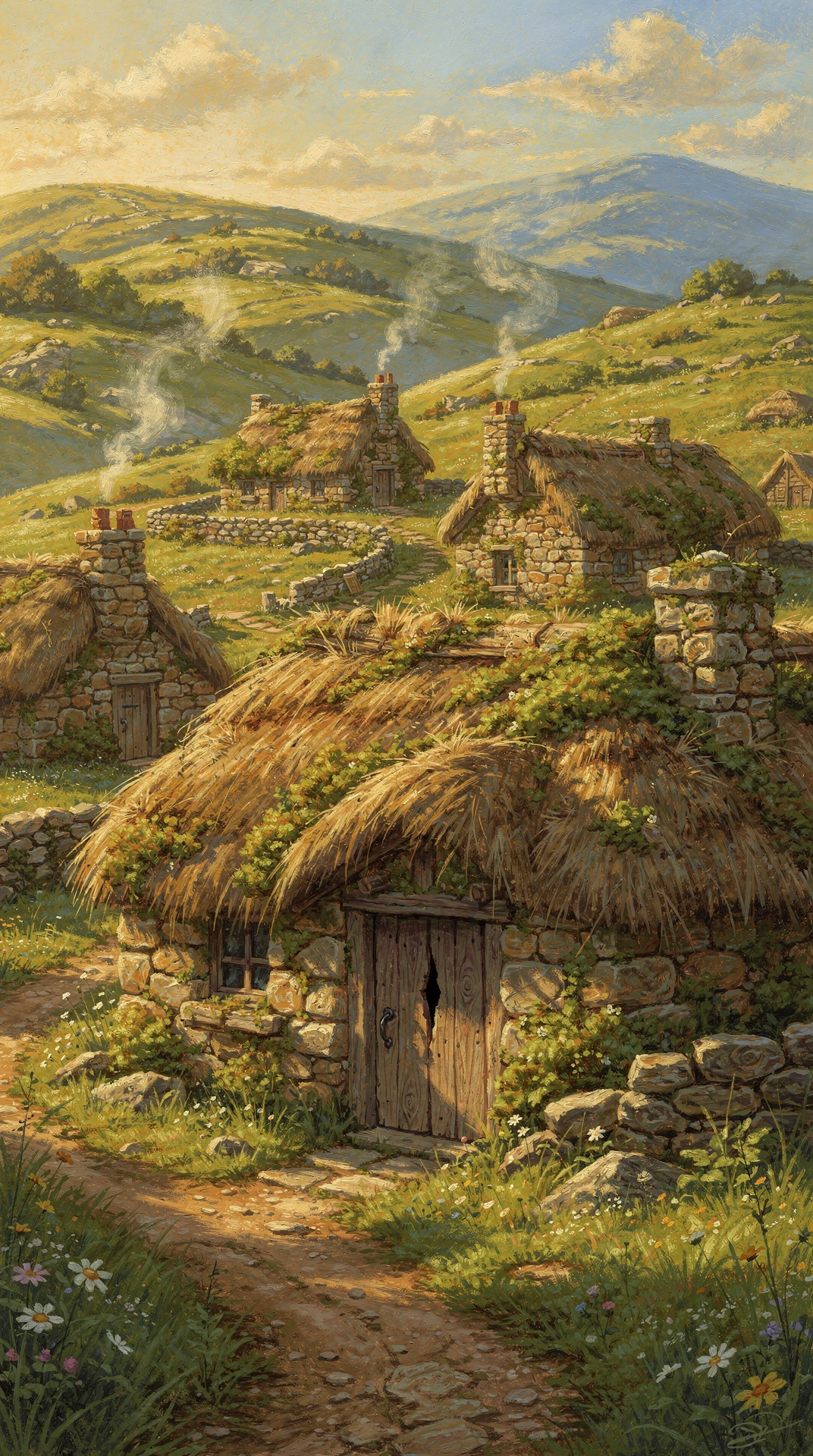
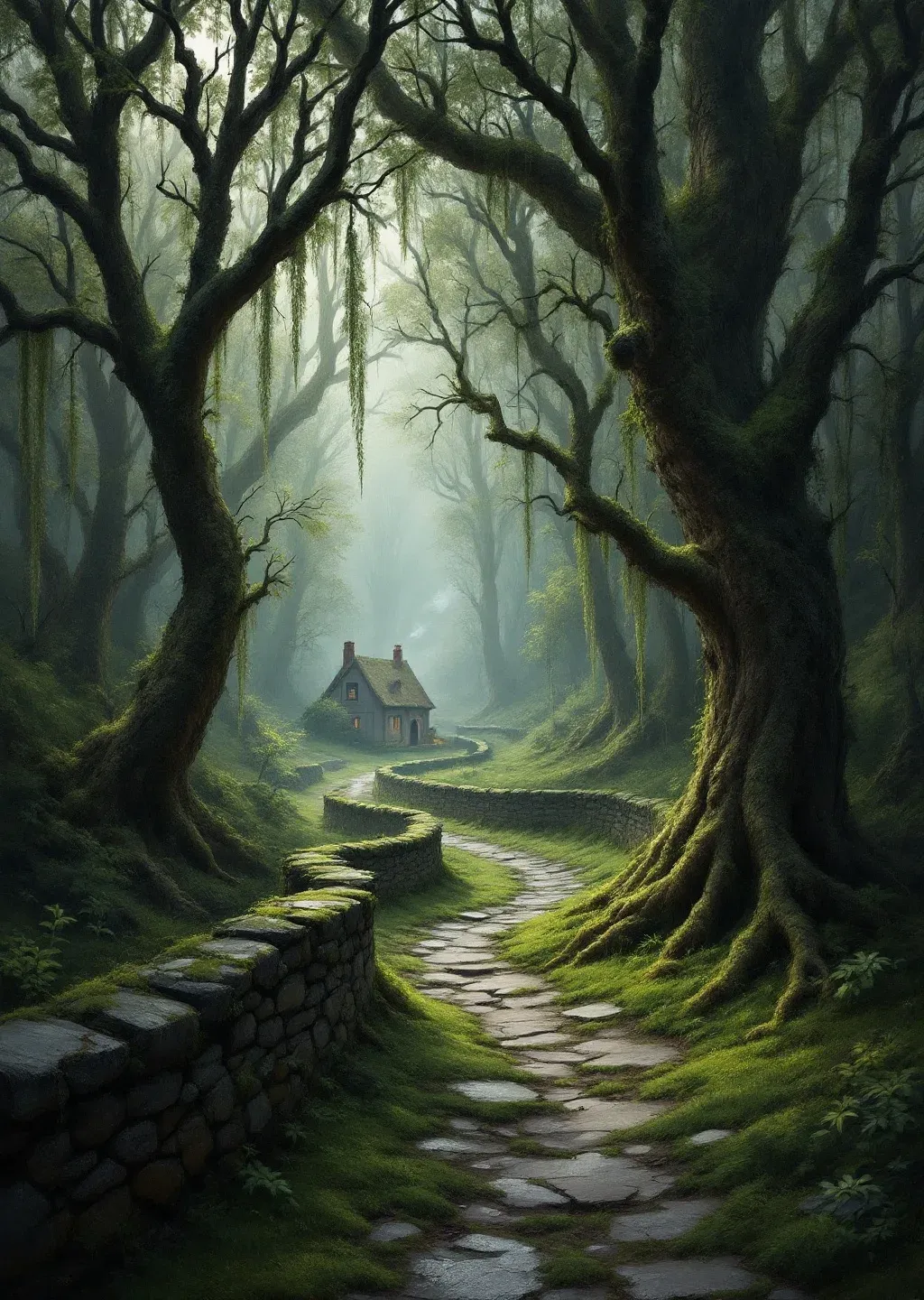
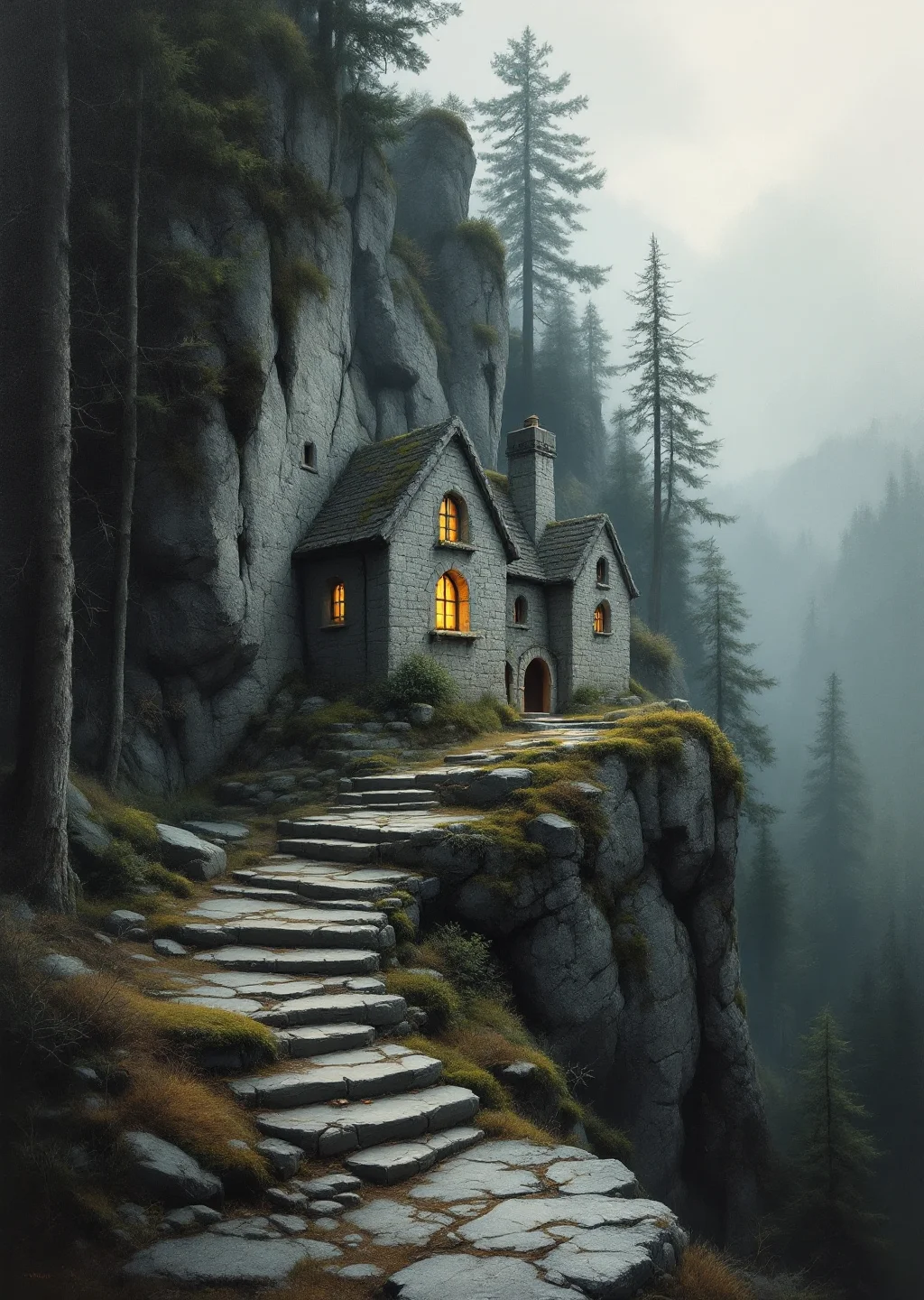
That is a lexicographer’s argument, made by post, for fifteen years, from a stone house at the foot of a ridge — and it is the whole reason there is a road to walk. The vale’s language is wearing away: signs half-scoured, labels running in the damp, a ford that has forgotten its own name. You are the one going out to put it back, one ladder of letters at a time.
Why there is a road at all
A vale that is quietly losing its words
It does not announce itself. It shows up as small wrongness: a village whose oldest sign has worn down to half a word, a crossing where the water makes a mouth and is caught mid-syllable, a hillside that breathes and has never once exhaled a word anyone could write down.
Nobody in the vale calls this a catastrophe. They have adapted. Murklin gets by on nods and glances and hardly speaks at all. In Inkhollow the labels run in the damp and no word ever quite dries, so the copyists shrug and write it again. A whole culture has learned to work around the gaps — which is exactly how a language quietly stops belonging to the people who speak it.
Then someone walks in from the east who can still put the pieces back together. That is the job. Not a chosen-one prophecy — a courier’s errand that keeps turning out to matter more than anyone said it would.
The journey
One road, fifty kingdoms, and the language getting stranger as you climb
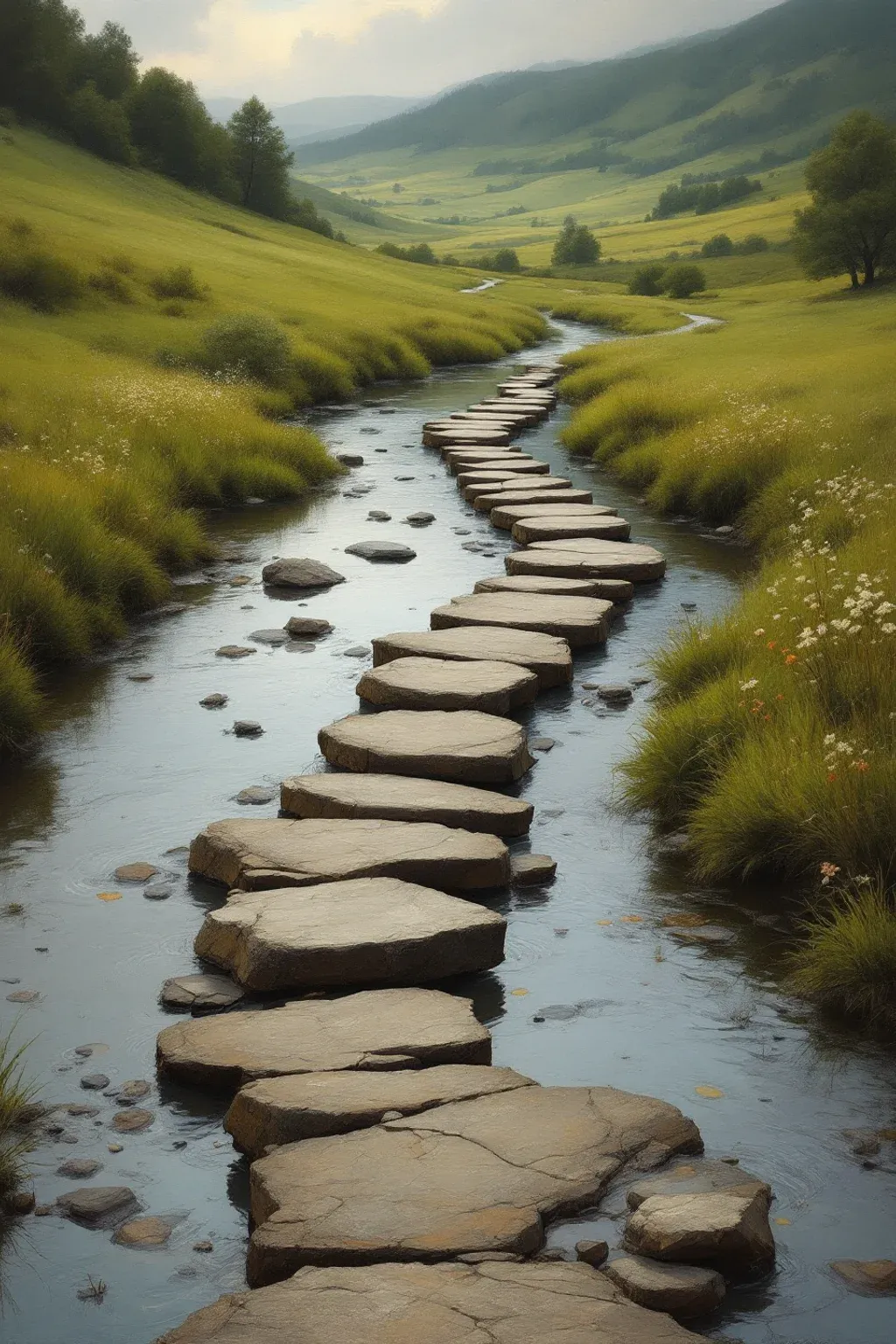
Epic Words is not one screen you grind. It is a road out of a green valley that keeps going — and the further you walk, the stranger the relationship between people and their words becomes. Early kingdoms have merely worn signage. Later ones have industries built on the problem: forges that strike words into metal so they outlast paper, an engine that rearranges them, a vault that guards their grammar.
I — The First Word
Where the signage never finishes its own sentence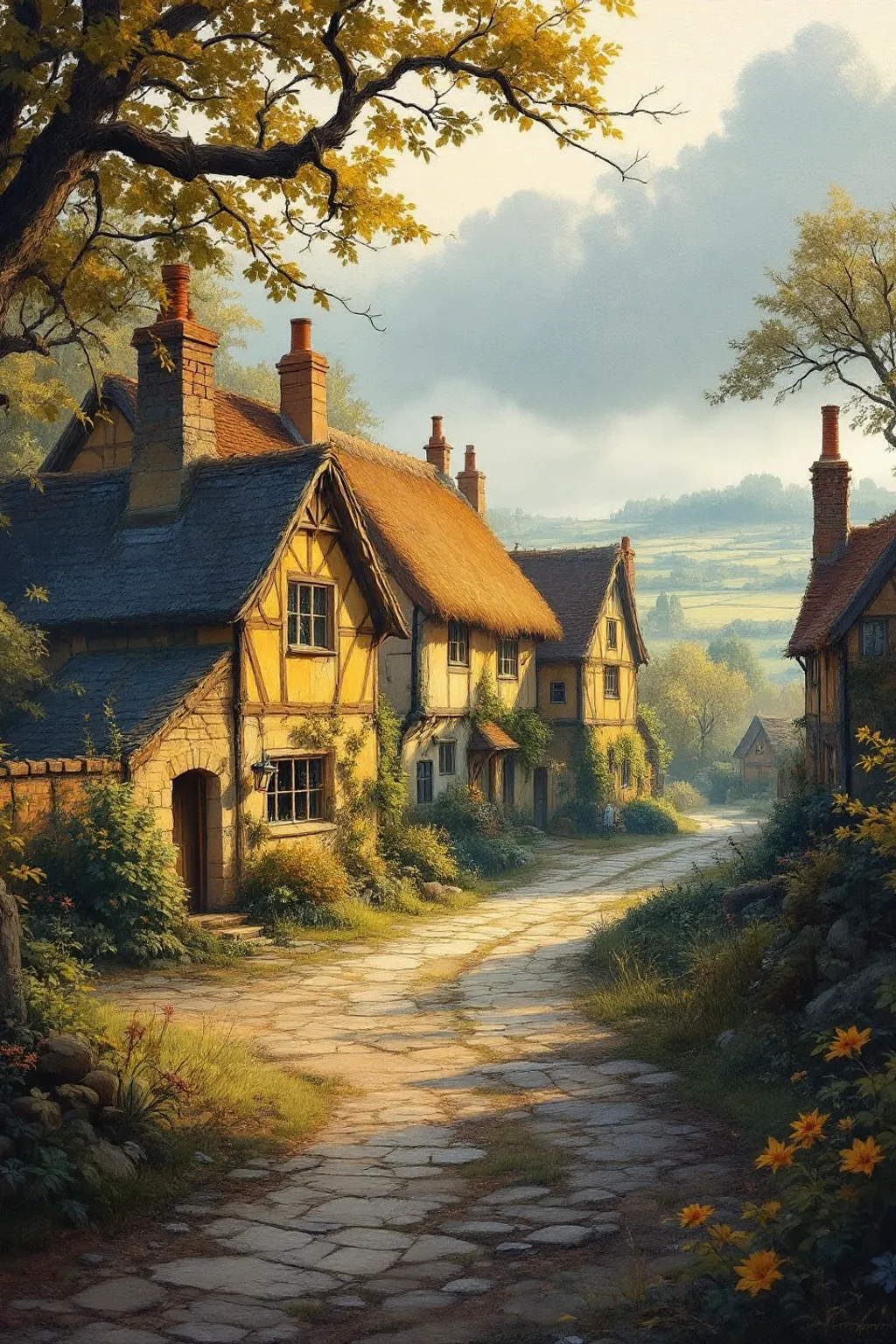
II — The Murmuring Brook
A hamlet where a nod does the work of a sentence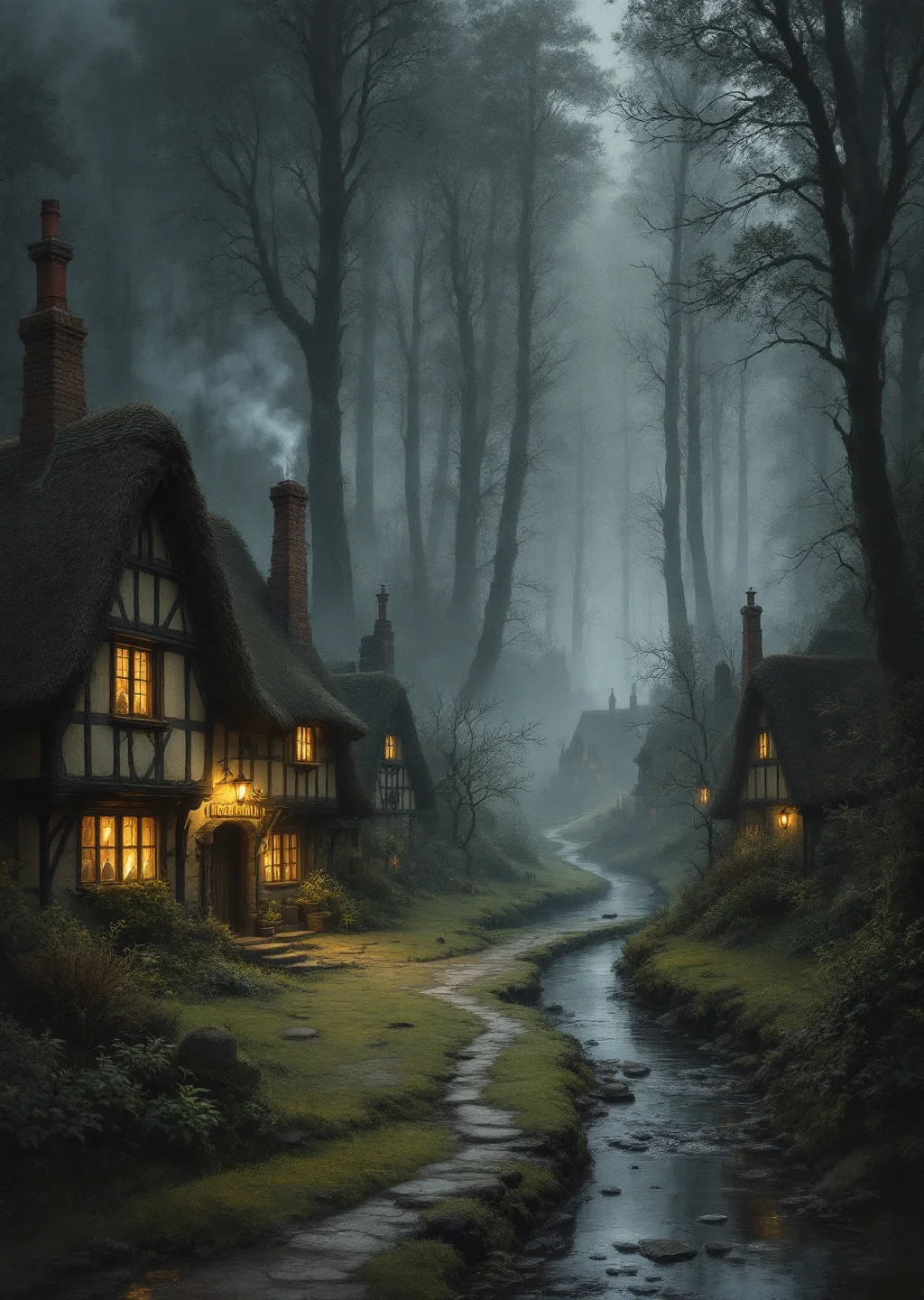
III — The Ink Well
Every label runs; no word ever quite dries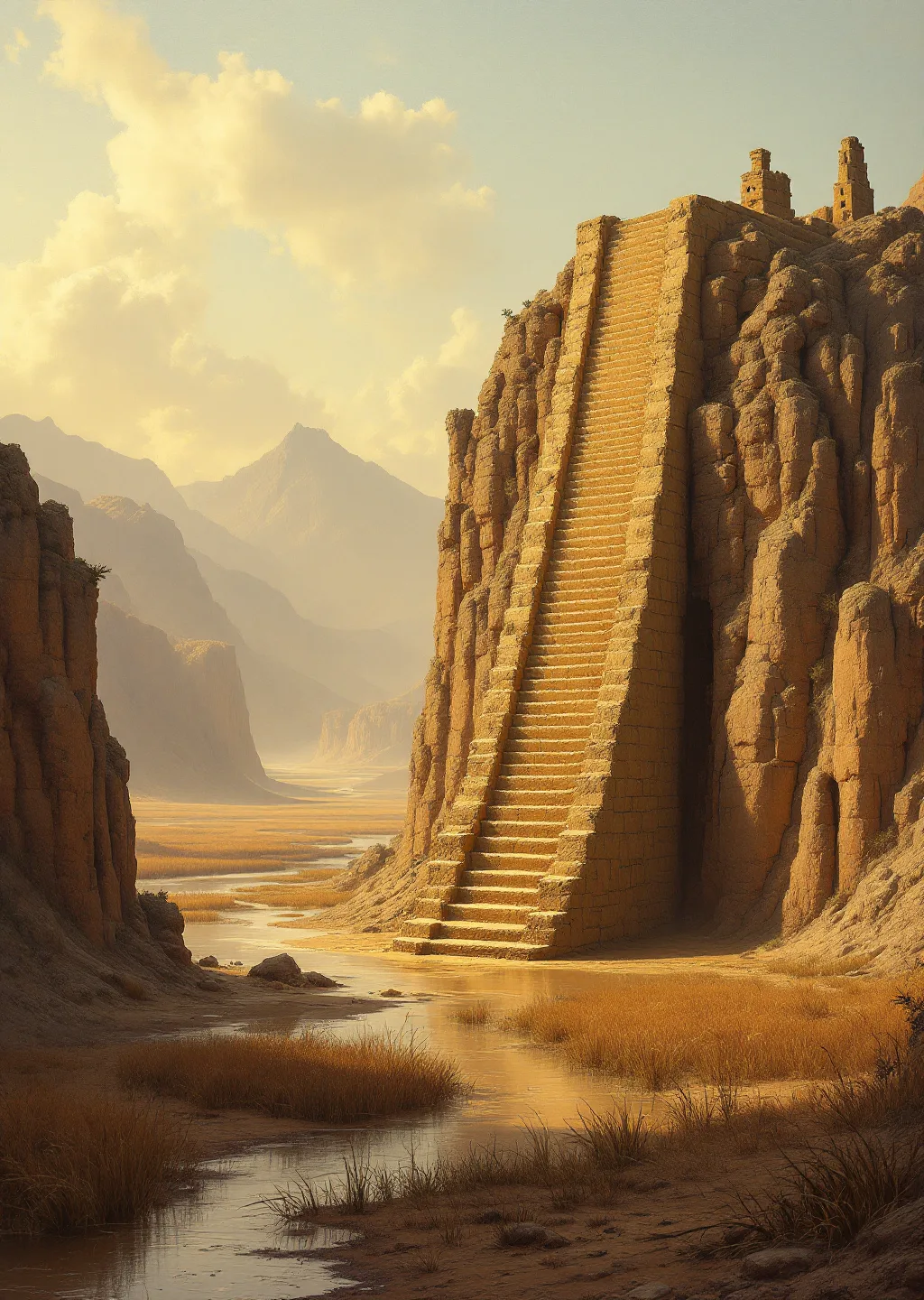
V — The Babel Tower
The tower fell; the staircase kept climbing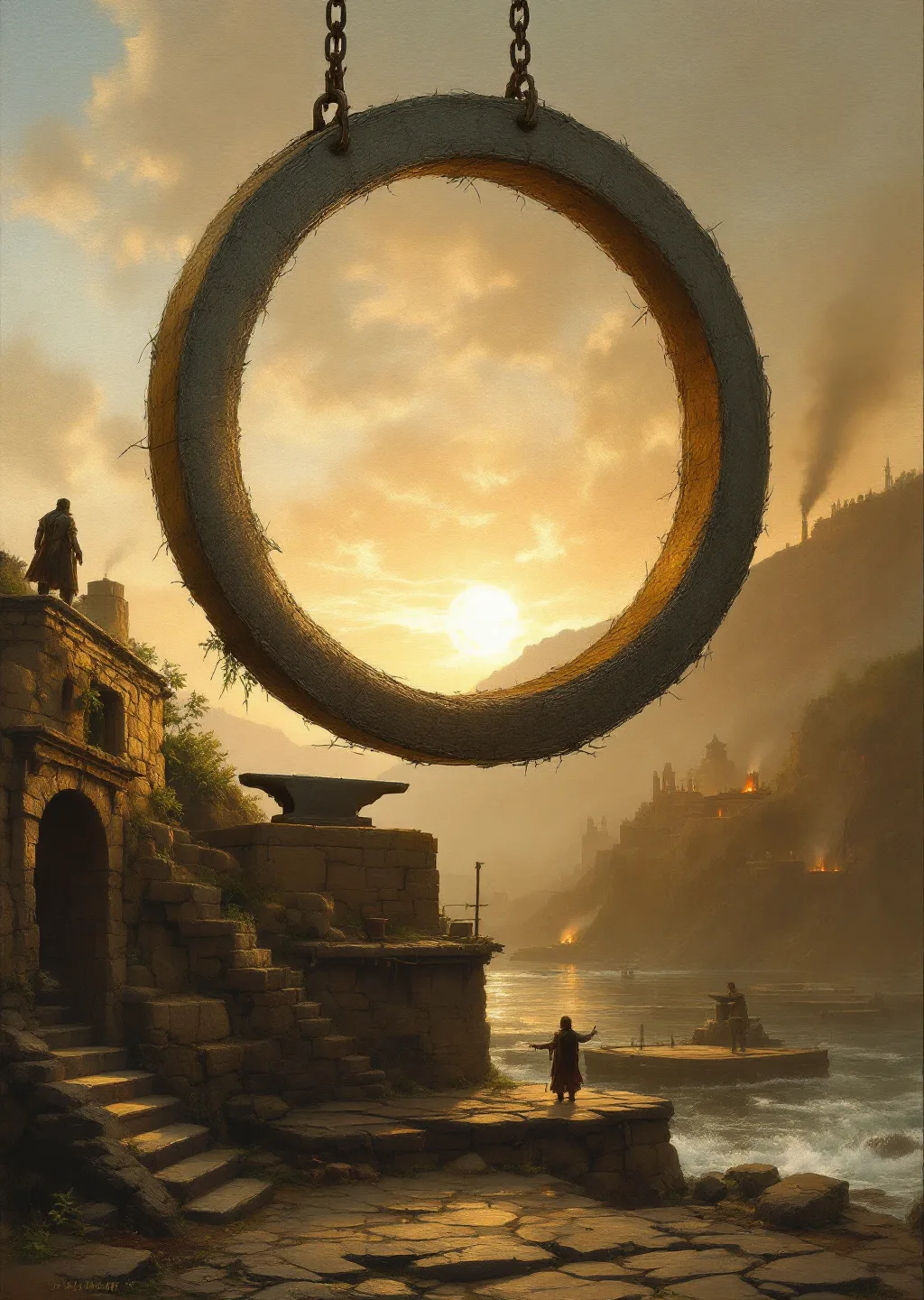
IX — The Word Forge
An iron O, turning in the wind, hunting the rest of its wordX — The Lexicon Forge
Keeping words older than recognitionBeyond these lie the Letter Garden, the Hidden Syllable, the Rhyming Stair, the Grammar Vault, the Storm of Syllables, the Morpheme Depths — and a good many more we will leave for the road to introduce.
The people
Everyone out here is holding on to a piece of it
The vale is not populated by quest-givers. It is populated by people with jobs, grudges, debts and opinions — each of whom has kept some fragment of the language safe in their own stubborn way, and most of whom want something in return for it.
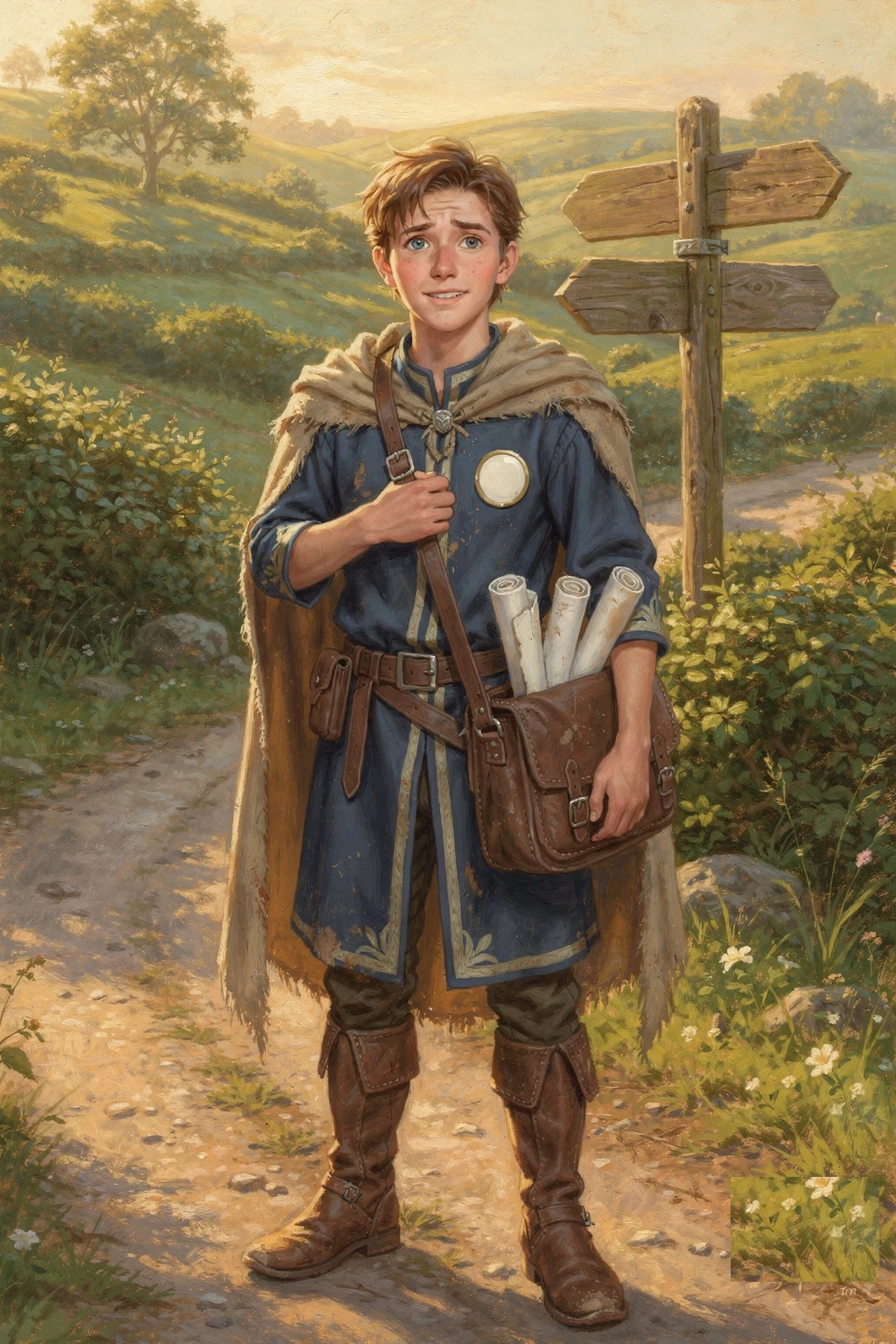
Pell, the Courier
Kingdom I (The First Word)
A junior courier stuck at a crossroads, insisting he is not lost.
“I'm not lost. I'm technically studying the road.”
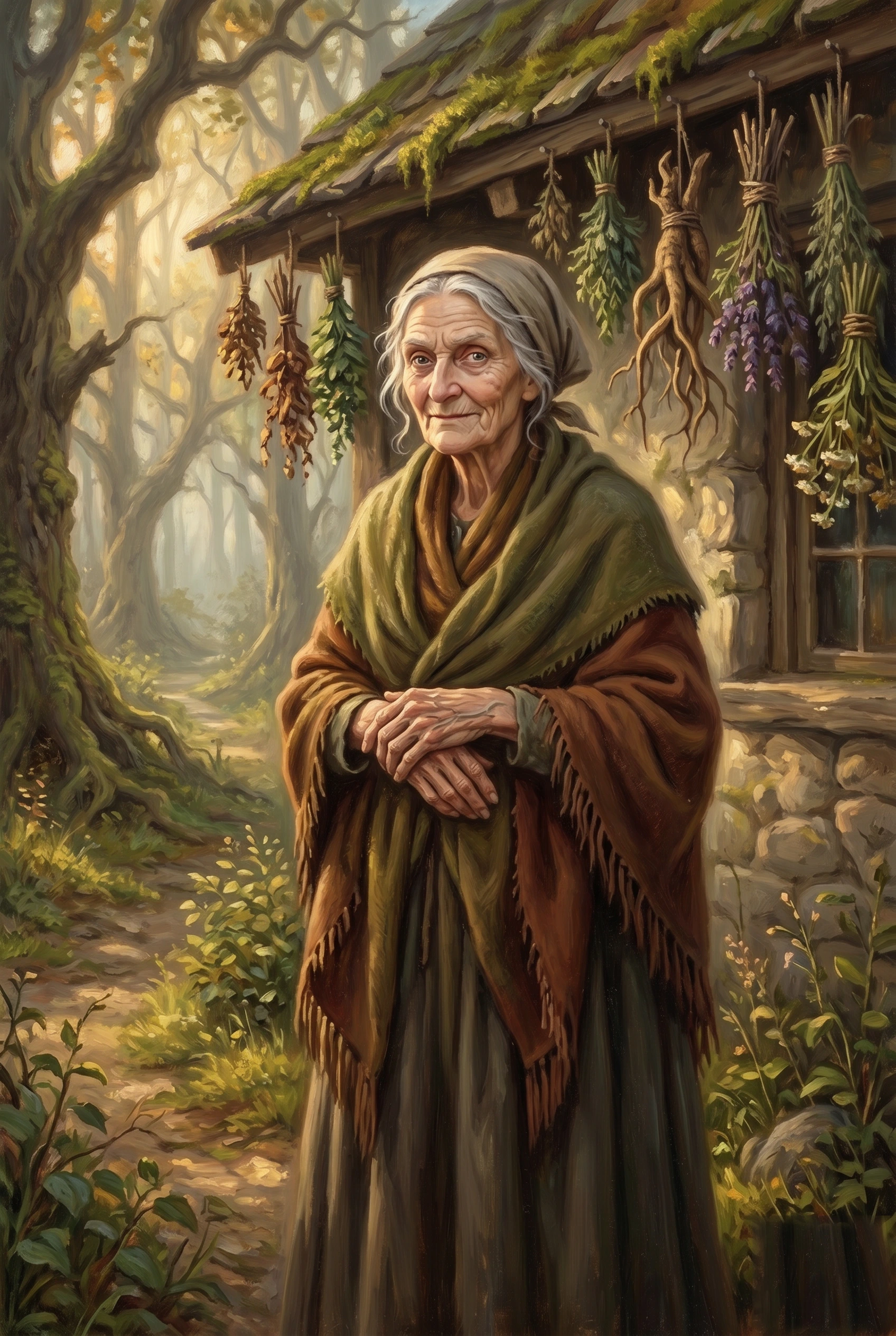
Yarrow, the Hedge Witch
Kingdom III (The Ink Well)
Kind to anyone who lends a hand, with a long memory for anyone who won't.
“Be gracious to me and I'm the best friend you'll make in this wood. Be rude, and you'll find the wood is entirely on my side.”
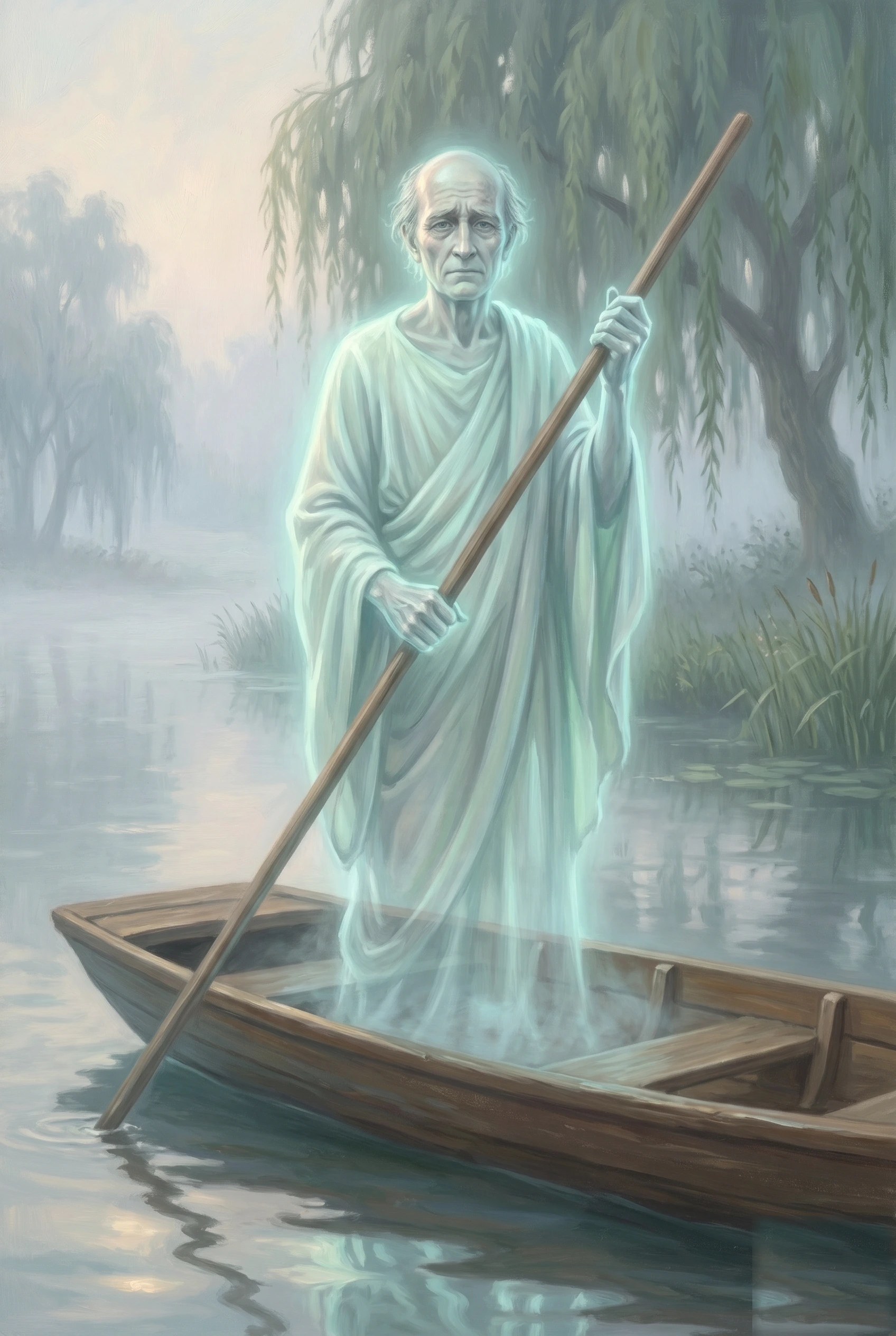
The Drowned Ferryman
Kingdom IV (The Scriptorium)
He cannot finish his last crossing until someone recovers the name erased when he drowned.
“I will take you across. In exchange for a name — not yours. Mine. Someone erased it from the record when I drowned, and I cannot finish the crossing until I know what to call myself.”
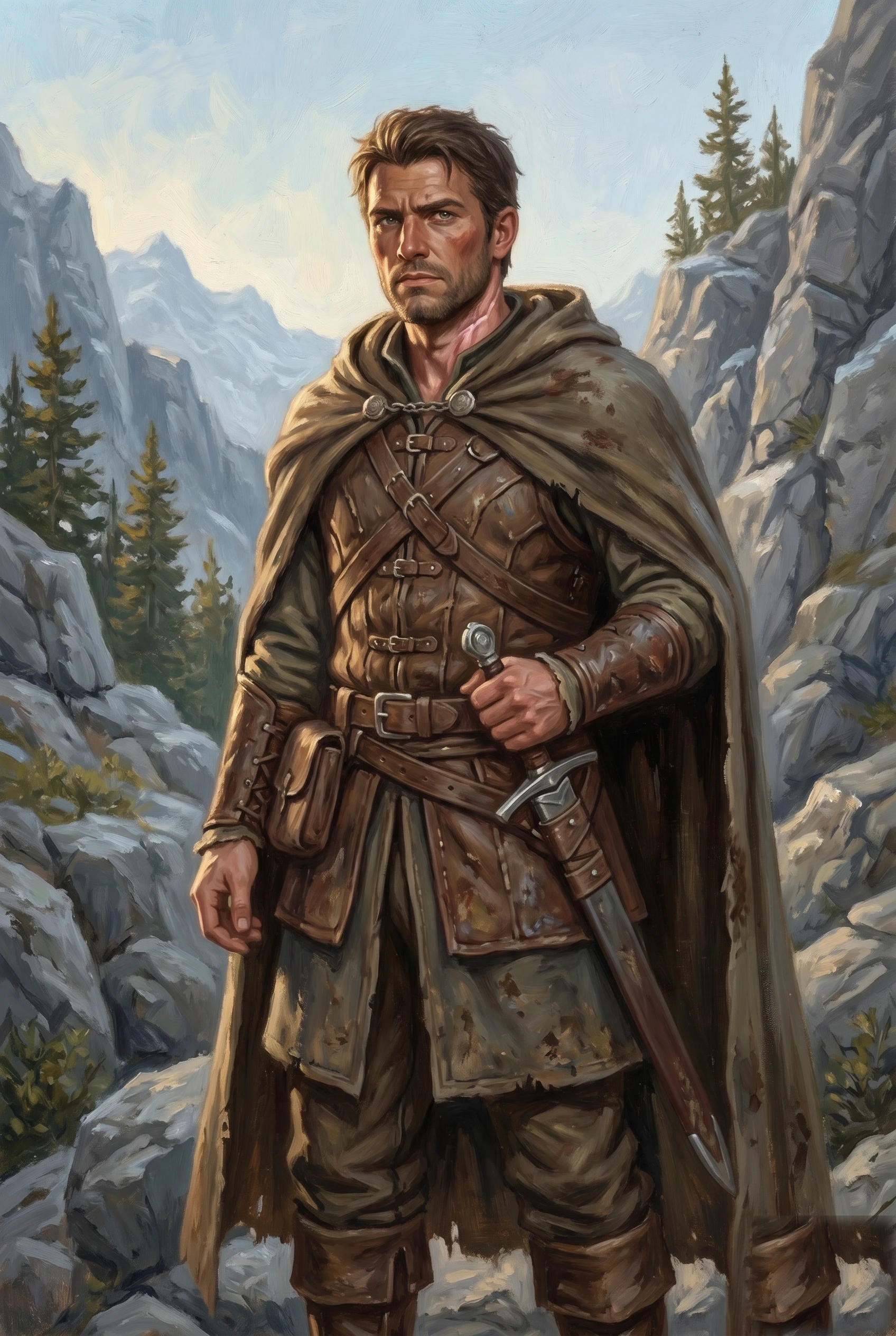
Corvin, the Bandit Chief
Kingdom V (The Babel Tower)
You judged him as a boy. Now he holds the pass you have to cross.
“I don't forget debts. It's the only law that ever kept its word to me — so I keep it back.”
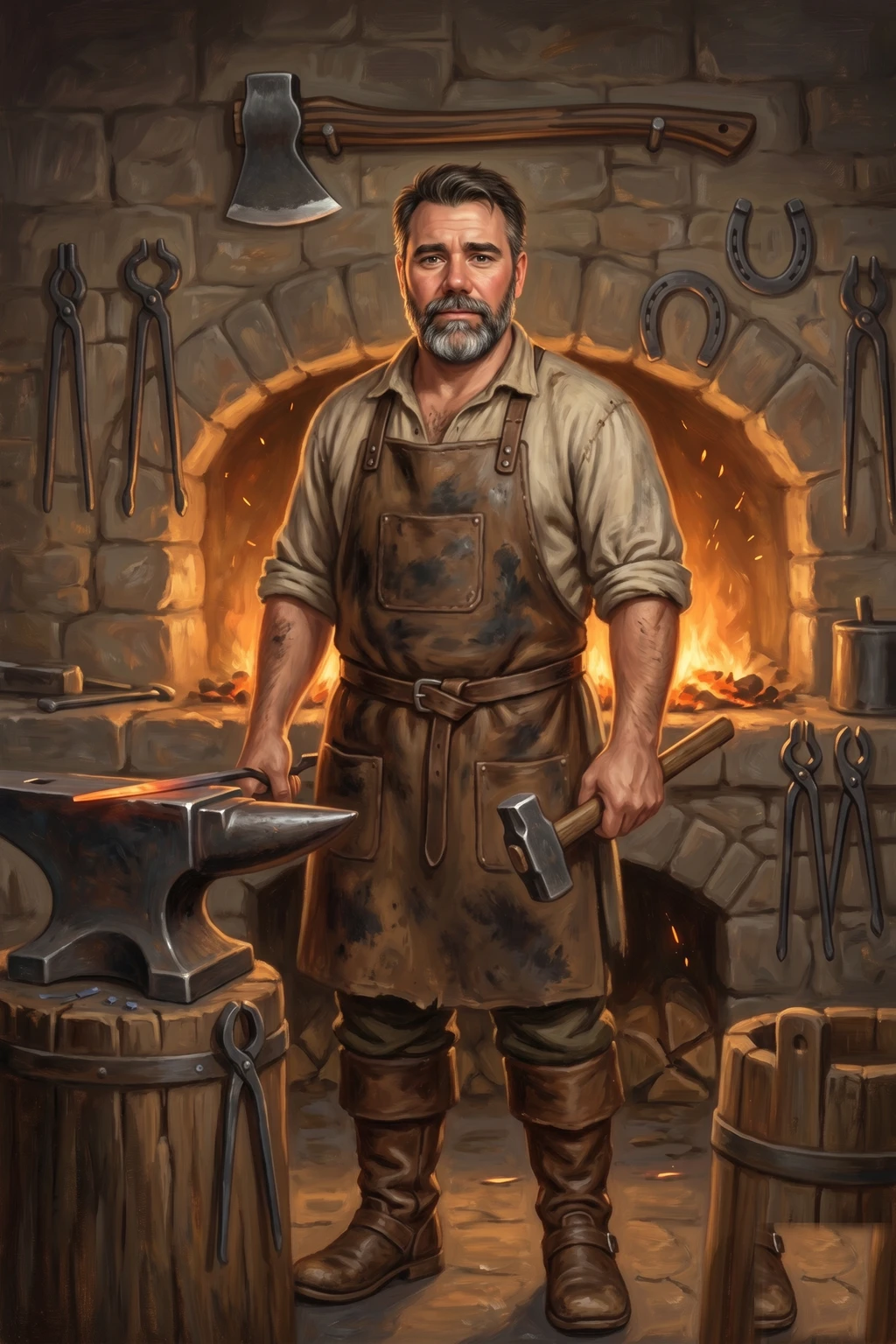
Aldwyn the Blacksmith
Kingdom IX (The Word Forge)
A big, unhurried smith who says little, and gives you his attention only after you have earned it.
“A completion, not a destruction. Remember that when you swing.”
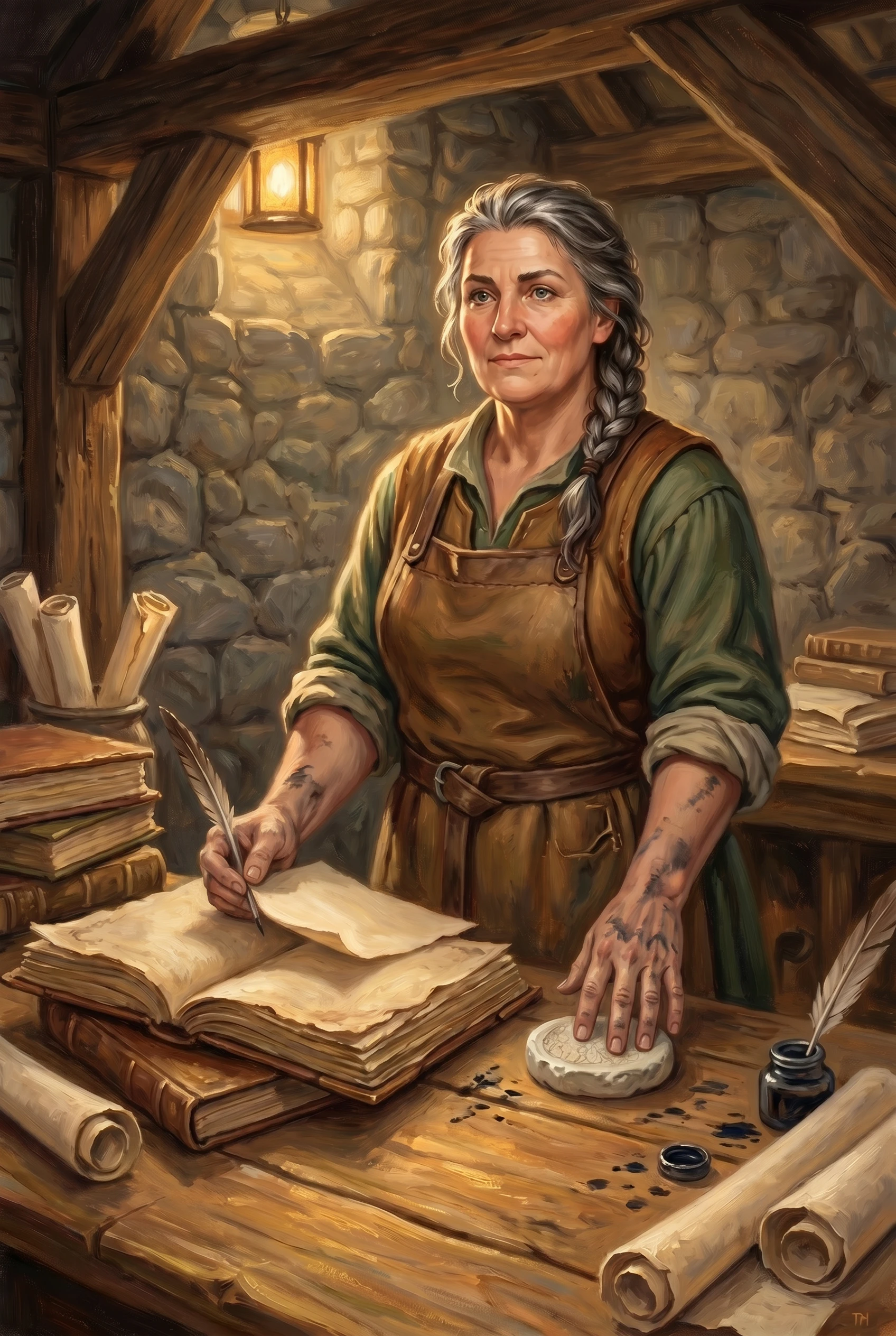
Geva, Keeper of the Worn Index
Kingdom X (The Lexicon Forge)
Fifteen years of letters from the Worn Index, all making the same case: nothing is lost, only misplaced.
“A word is never destroyed. It is misplaced — and misplaced, if you'll note the distinction, is a thing that can be undone.”
“A word is never destroyed. It is misplaced — and misplaced, if you’ll note the distinction, is a thing that can be undone.”
Geva, Keeper of the Worn Index · Kingdom X
What you actually do
You know a word the moment you see how it starts and ends
So the game takes that certainty away. Instead of letters, you are handed pairs of them, and your job is to stitch them back into something whole. It is a small, precise pleasure — and it scales.
Climb the ladder
Boards begin at four letters and rise, rung by rung, toward fifteen-letter giants. Learn it in a minute; keep unpicking it for months.
Race the ladder
Speed Ladder puts the same skill against a clock, and against everyone else climbing it at the same time.
Hold the board
Reach the top and put your name on it. Leaderboards run across the whole road, not just your own valley.
The board is bigger than it looks
Each board spotlights six words — but English is generous, and there are usually more than a dozen valid answers hiding in the same tiles. Bonus words are how you turn a puzzle into a treasure hunt.
Some doors lead down
Not every path climbs toward the light. Tucked into the world are dungeons where the puzzles bite back and the rewards run richer. What waits at the bottom is best left unspoiled.
Places that argue back
Where the language is actively contested
Some of the road’s best moments are not fights but disagreements — between dialects, between records, between what a thing is called and what it is. These four are worth the detour.
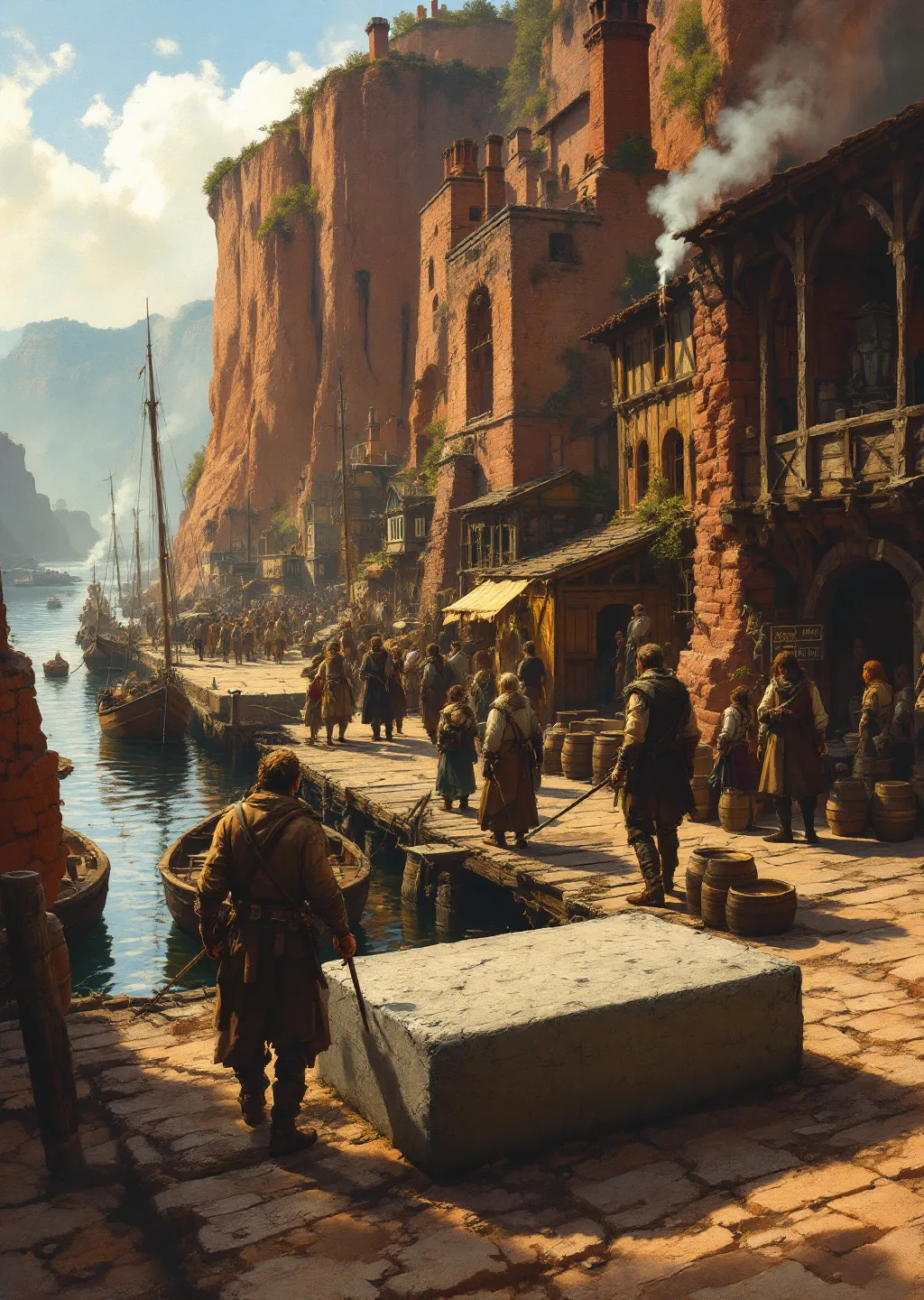
Tongue's Landing
Eleven dialects share one harbour, and none of them will yield to another.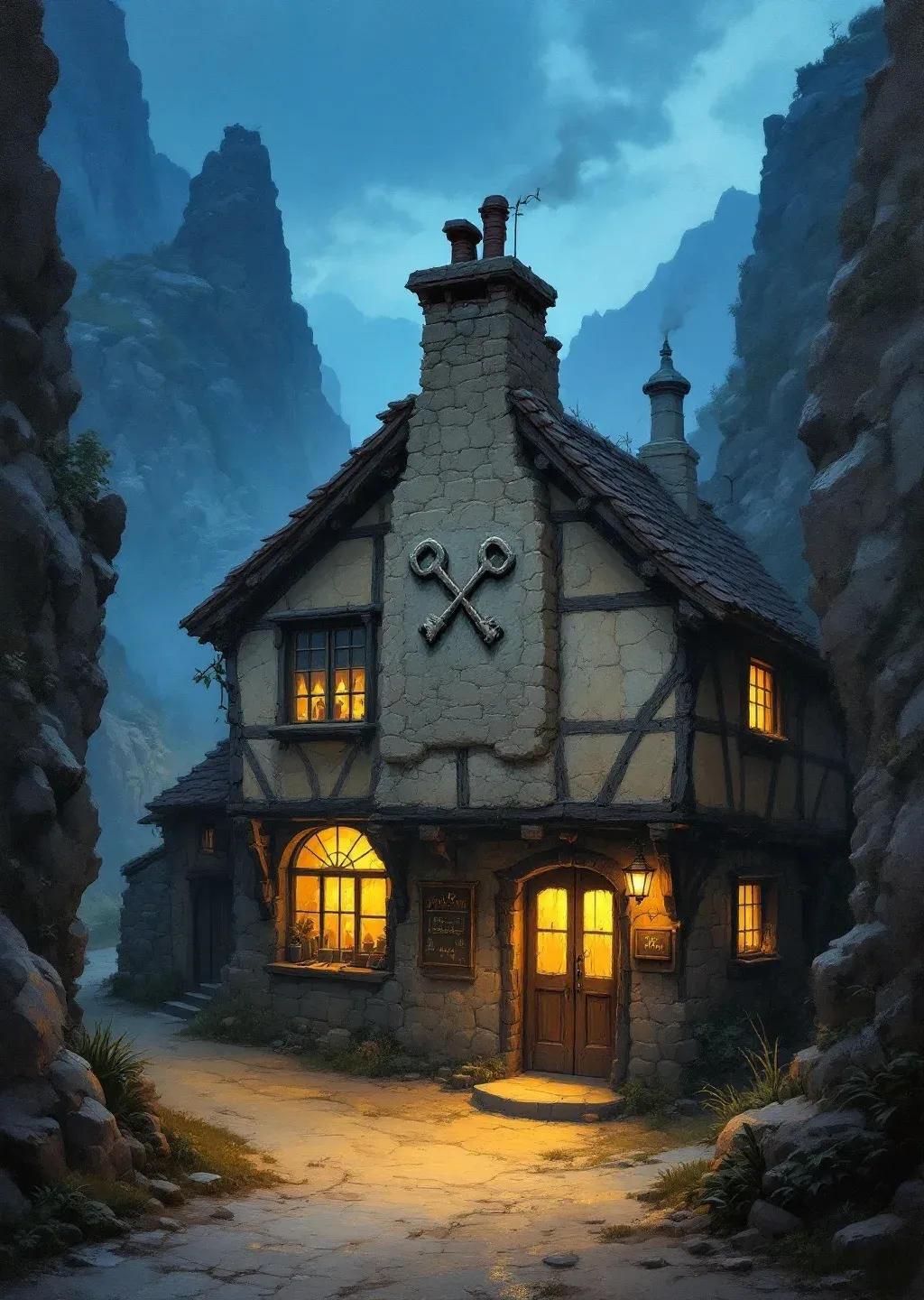
The Crossed Keys
An inn on the pass with two rules: no fighting, and you pay in trade.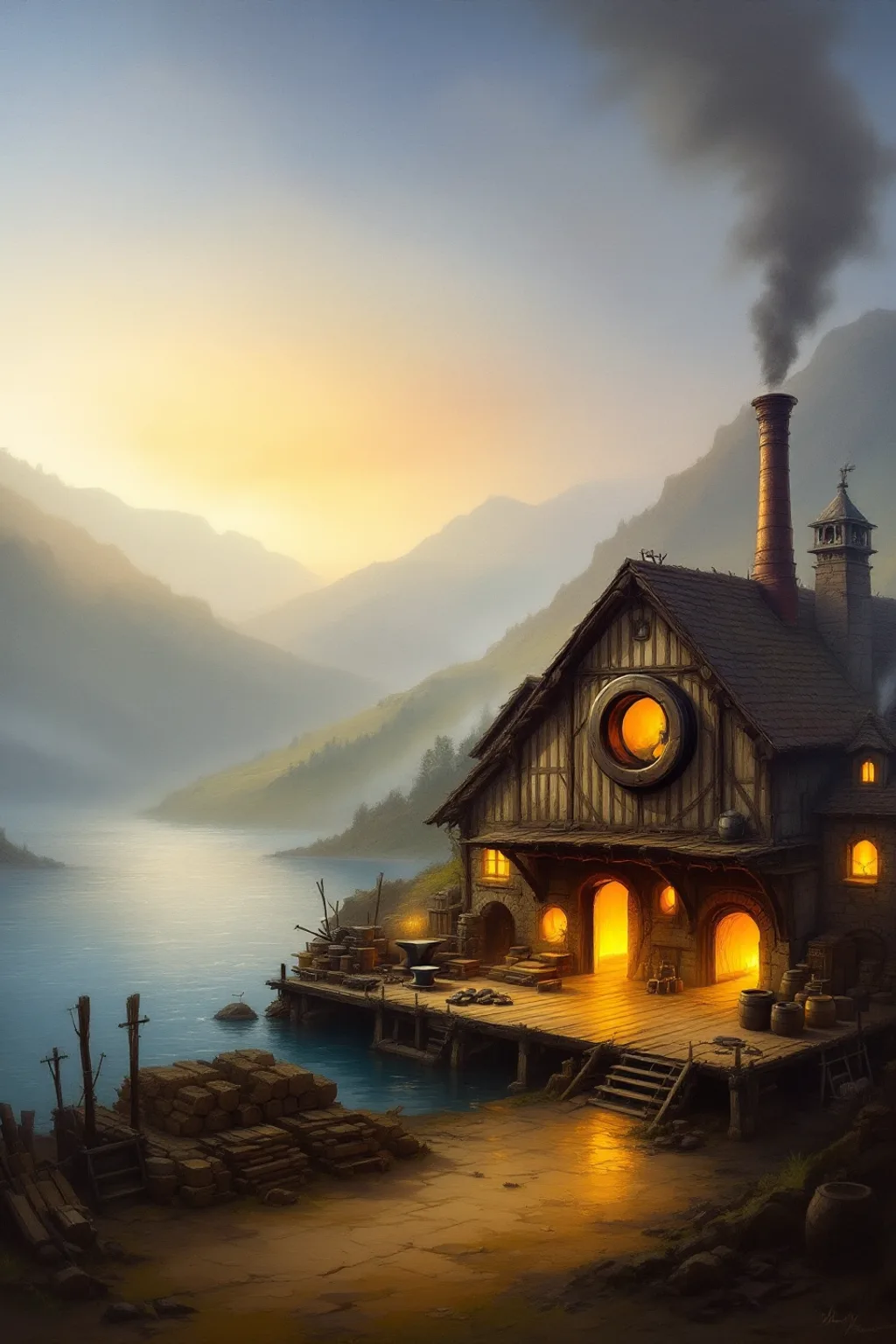
The Forge Wharf
The ironworks that strikes words into metal so they outlive anything written on paper.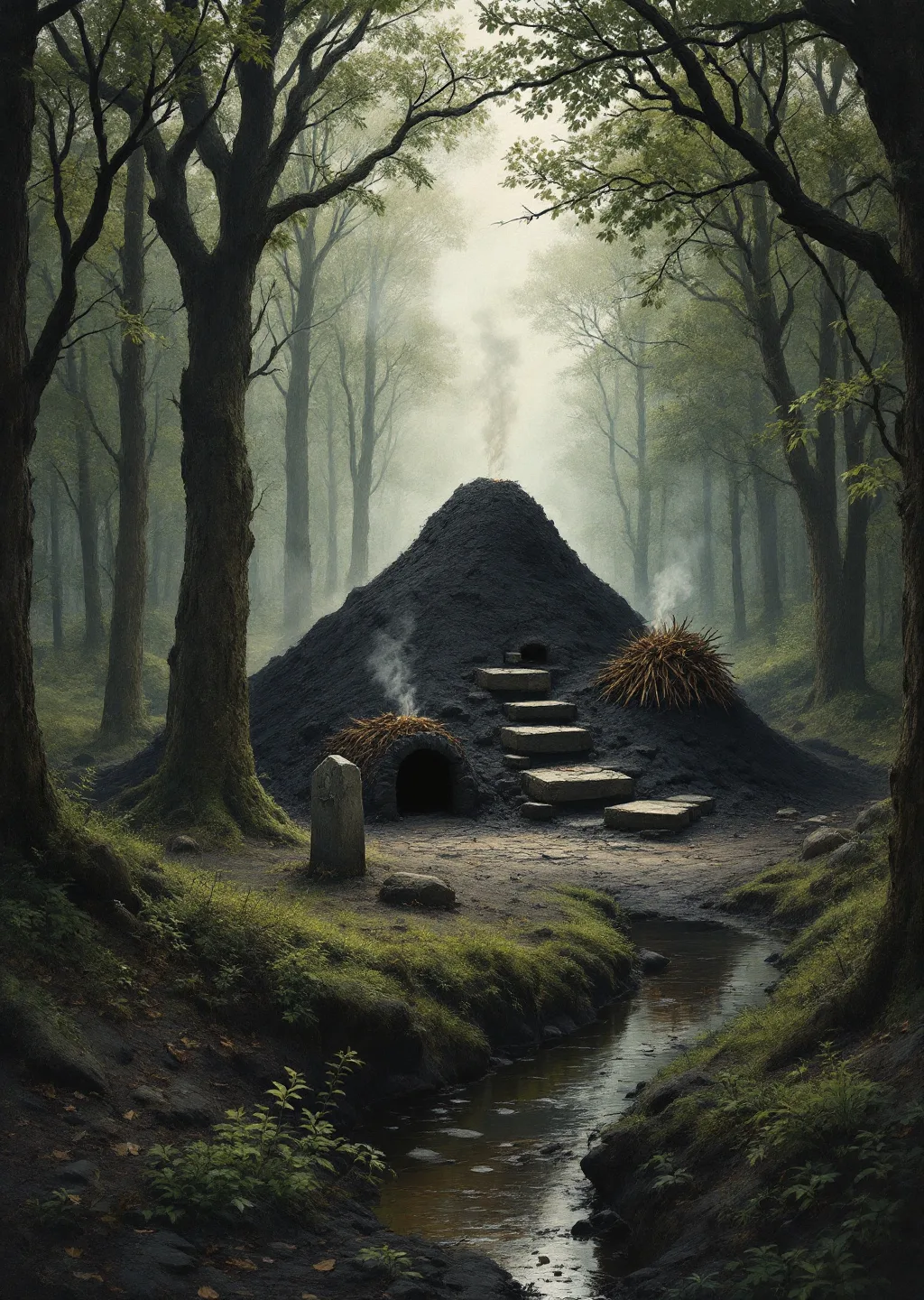
Charcoal Barrow
The oldest marks in the wood lie under this burnt mound, whose only word is ashes.The words are still out there.
Misplaced, worn thin, argued over, struck into iron, buried in a barrow dug inward toward something older. All of it recoverable, by someone patient enough to walk the road and stubborn enough to keep putting the letters back together.
New to the puzzles? Learn how to play · Love word games? Meet Pairdle · See all our games · Our story